There is no single “easiest” reptile — there is the right match for your space, your budget, and how much daily attention you can realistically give. A good starter species is hardy and forgiving of small mistakes, stays a manageable size, eats a simple and affordable diet, and has a calm temperament backed by mountains of reliable care information. What “beginner” never means is “no effort.” Every animal below is a real, years-long commitment — often decades — so choose the profile you can live with, not just the one that looks good in the shop.
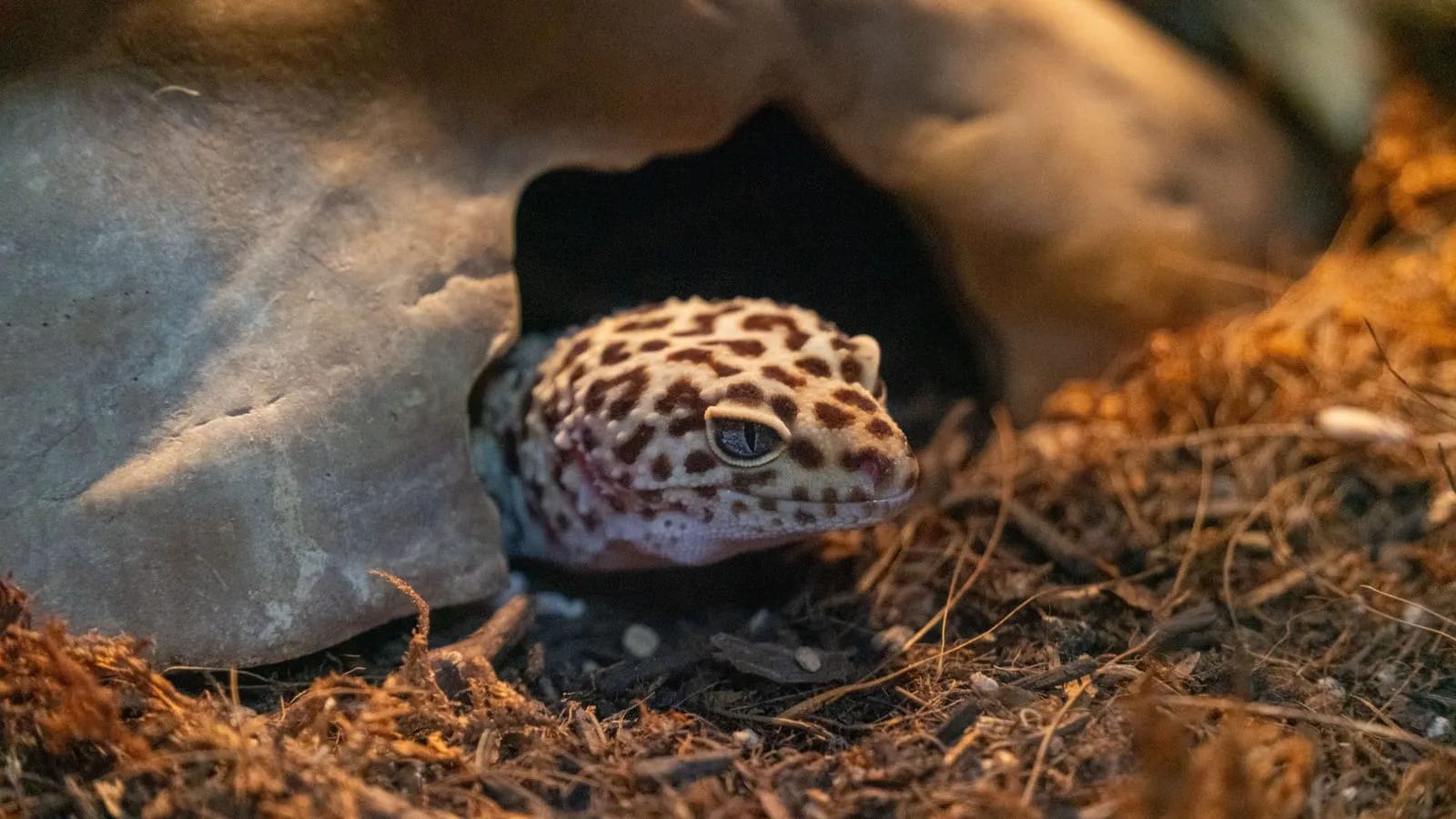
Leopard gecko (Eublepharis macularius)
A perennial first reptile, and for good reason. Leopard geckos are small, docile, and undemanding compared to most lizards.
- Adult size: ~8–10 in.
- Lifespan: ~15–20 years.
- Why it’s a great starter: ground-dwelling and active in the evening, an insectivore with no complex lighting demands, and tolerant of gentle handling once settled. A simple warm hide, cool hide, and humid hide cover most of its needs.
The honest caveat: it eats live insects. You’ll be keeping crickets, dubia roaches, or mealworms on hand and dusting them with calcium — this is not a no-effort animal, just a forgiving one. New keepers who want the full picture should read our leopard gecko care guide.
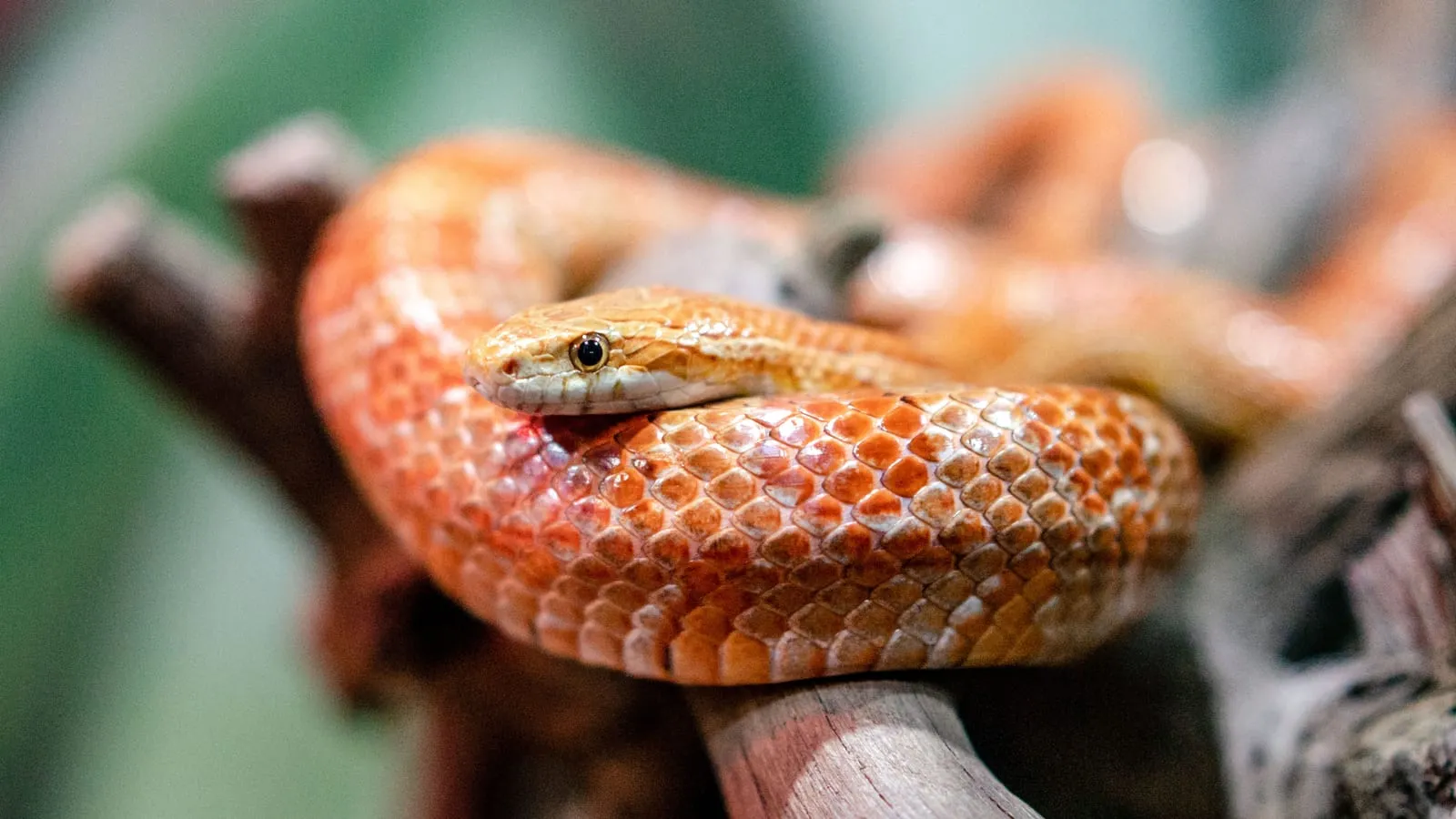
Corn snake (Pantherophis guttatus)
If you’re open to a snake, the corn snake is the textbook beginner. They are hardy, even-tempered, and come in a stunning range of colours.
- Adult size: ~3–5 ft.
- Lifespan: ~15–20 years.
- Why it’s a great starter: genuinely docile, rarely fussy, and fed a simple rodent diet roughly once a week. Husbandry is straightforward and well documented.
The honest caveat: corn snakes are accomplished escape artists, so a secure, clip-down lid is non-negotiable. And it is a snake that eats whole rodents — be sure you’re comfortable storing and offering frozen-thawed mice before you commit.
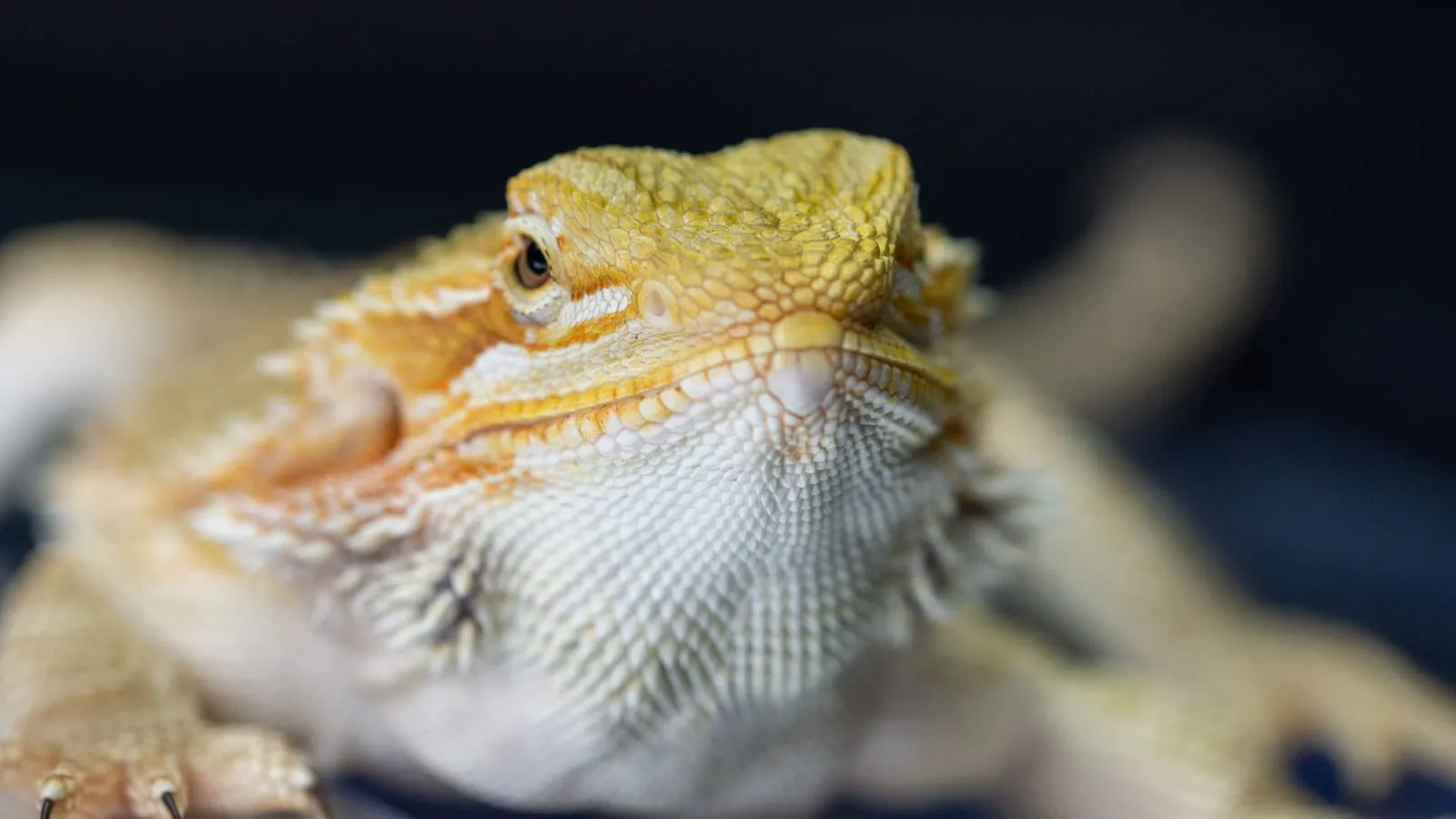
Bearded dragon (Pogona vitticeps)
The most interactive animal on this list. “Beardies” are diurnal, expressive, and readily tameable, which makes them a favourite for keepers who want a reptile that engages back.
- Adult size: ~16–24 in.
- Lifespan: ~10–15 years.
- Why it’s a great starter: alert, confident, and tolerant of handling, with a personality that’s hard to match elsewhere in the hobby.
The honest caveat: it is the most demanding species here. A bearded dragon needs a large enclosure, strong UVB, a proper basking gradient, and an omnivore diet that shifts from insect-heavy to greens-heavy as it grows. Done right it’s deeply rewarding — but it’s the one that punishes corner-cutting fastest. Our full bearded dragon care guide walks through the setup.
Crested gecko (Correlophus ciliatus)
For many people in a small home, this is the lowest-maintenance reptile in the hobby. Cresties are arboreal, charming, and remarkably easy to house.
- Adult size: ~7–9 in.
- Lifespan: ~15–20 years.
- Why it’s a great starter: thrives at normal room temperature, needs no specialised heating, and can live on a complete powdered diet (CGD) mixed with water — no live insects required. A tall, planted enclosure suits them perfectly.
The honest caveat: they’re delicate and surprisingly quick. A crested gecko can drop its tail when stressed or grabbed — and unlike many lizards, it will never grow it back. Handle calmly, low, and over a soft surface.
Ball python (Python regius)
Calm, manageable, and beautiful, the ball python is one of the most popular snakes in the world — a snake that’s slow-moving and easy to handle.
- Adult size: ~3–5 ft.
- Lifespan: 20–30+ years.
- Why it’s a great starter: placid temperament, modest size for a python, and a vast keeper community. They tend to curl into a ball rather than panic, which makes handling unintimidating for first-timers.
The honest caveat: ball pythons are notorious fussy, streaky feeders — healthy adults may skip meals for weeks, which alarms new keepers but is usually normal. The bigger commitment is time: 20 to 30 years is a multi-decade relationship. The species is also the deepest rabbit hole in the hobby once you start looking at morphs and the genetics behind them — worth knowing before a price tag surprises you.
Read those lifespans again: many of these animals will be with you for 15, 20, even 30 years. Choosing a first reptile is choosing a commitment measured in decades, not seasons.
Caring for your first reptile
The single best thing you can do is research the species fully before you buy it, not after. Know the adult size, the exact heating and lighting it needs, and what it eats — and have the complete enclosure set up and stable for several days before the animal ever comes home. Buying on impulse and learning as you go is how good starter species end up sick.
When your reptile does arrive, treat the first weeks as a quarantine and observation period: keep it in a simple setup, handle minimally, and watch closely for steady weight, normal sheds, clean feeding, and healthy stools. Catching a problem early is far easier than reversing one — and it is almost entirely a matter of keeping a record instead of a mental note.
That’s the part LizardBox is built for. Log feedings, weights, sheds, and vet visits, set reminders for the slow-burn tasks like the annual UVB swap, and read the weight curve instead of trying to remember it — so your first reptile becomes a thriving one, not just a surviving one.