One animal is easy to keep in your head. Five is not. By the time you are running a rack, the questions start to pile up: which gecko refused its last meal, when that ball python actually shed, how long the UVB tube over the dragons has really been running. Memory fills the gaps with guesses — and a gap in memory becomes a gap in care.
The keepers who raise consistently healthy animals are not the ones with the best instincts. They are the ones who track the small stuff. LizardBox exists to make that effortless.
Every critter gets a complete history
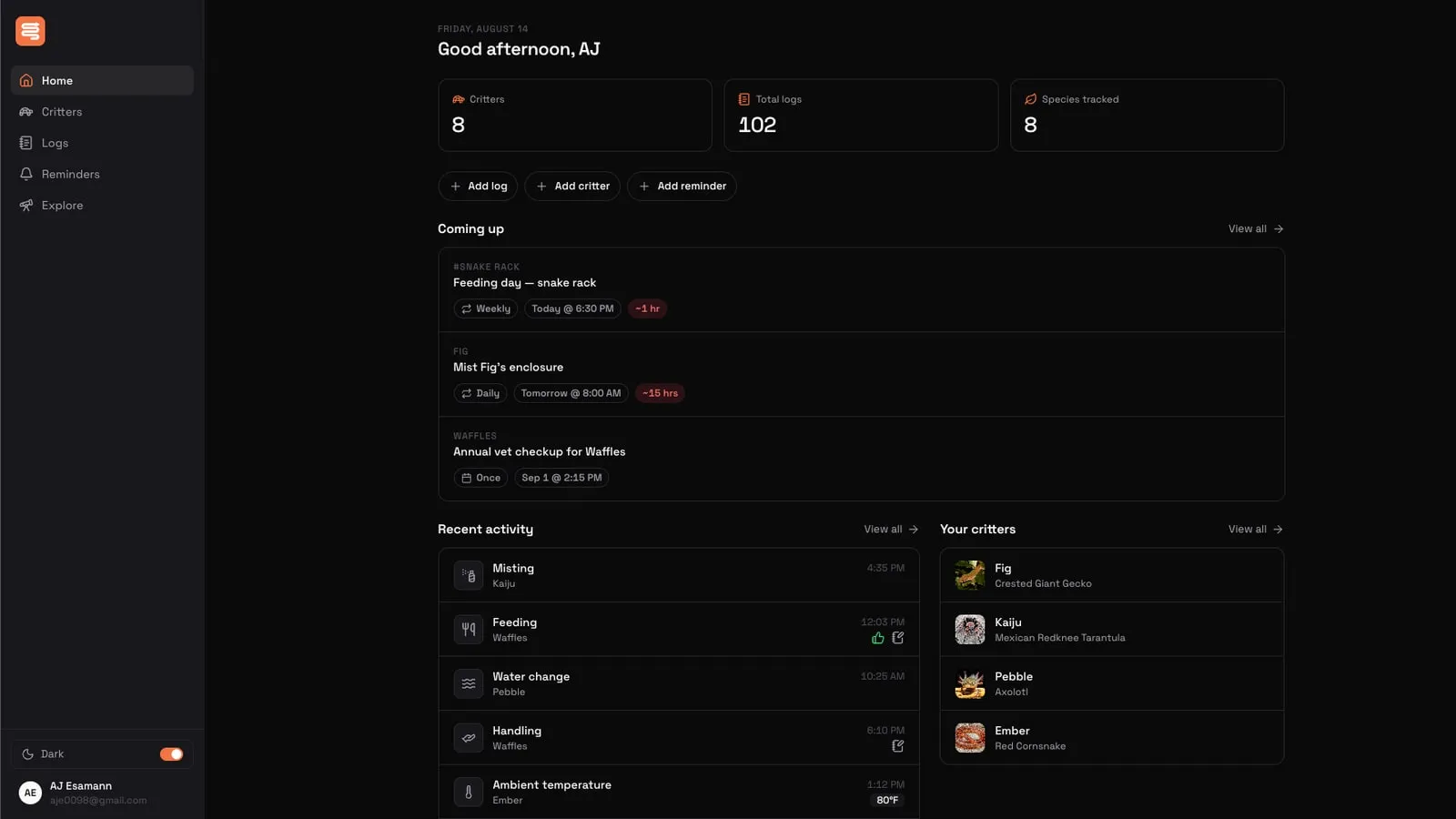
The foundation of good husbandry is knowing where each animal stands, not where you think it stands. In LizardBox, every critter has its own record — feedings, weights, sheds, defecation, vet visits, and free-form notes — logged in seconds and searchable forever.
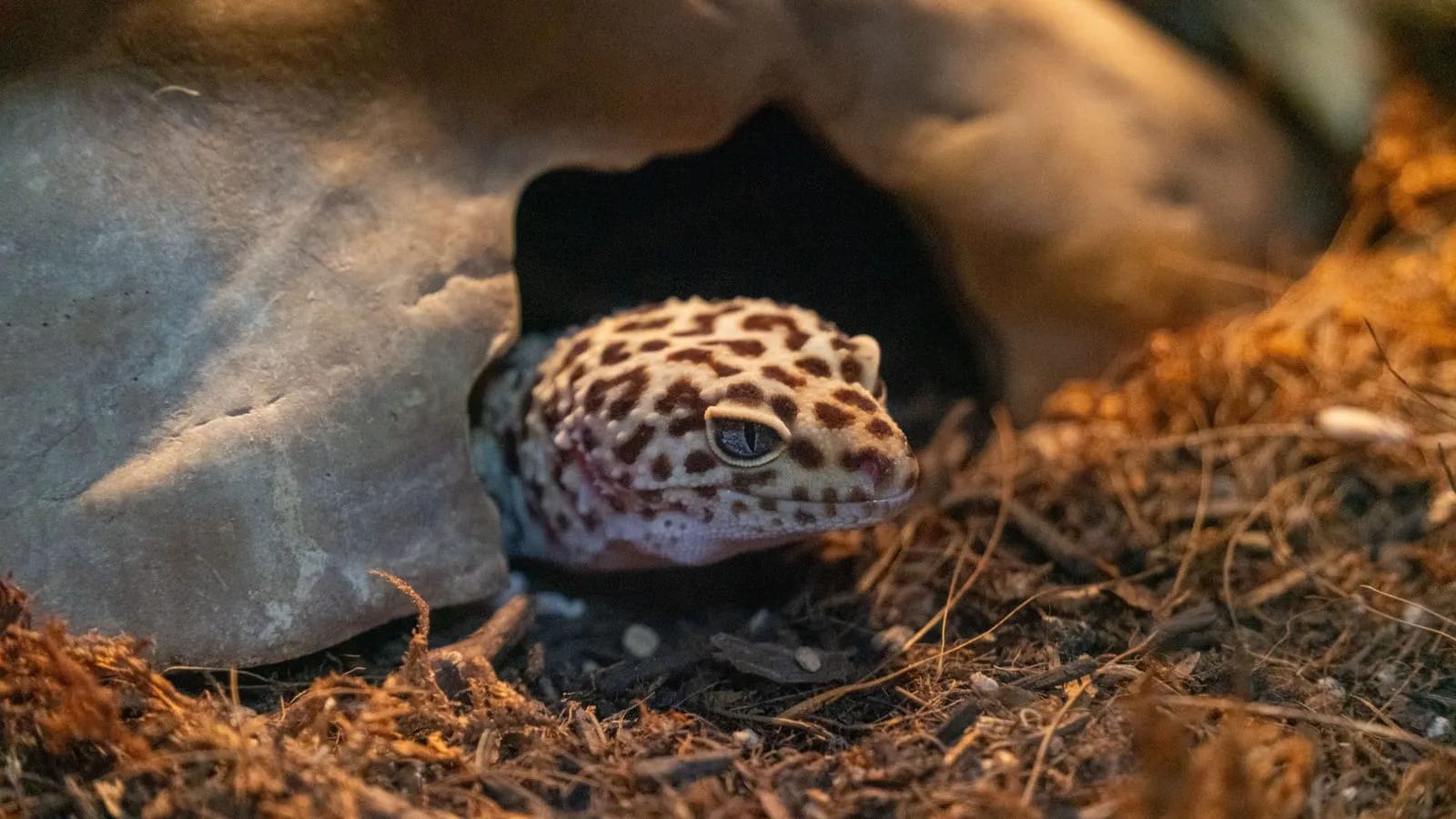
Instead of trying to recall whether the leopard gecko ate on Tuesday or last week, you open its profile and read it. The husbandry that the leopard gecko care guide and the bearded dragon care guide describe — the right feeding cadence, the steady shed cycle, the slow climb in weight — stops being something you hope is happening and becomes something you can see.
Nothing important slips
Most husbandry failures are not dramatic. They are quiet omissions: the supplement rotation that drifted, the vet check that never got booked, the UVB bulb that kept glowing long after its output faded. Those are exactly the failures that lead to problems like metabolic bone disease.
LizardBox closes those gaps with reminders that actually match how critters are kept:
- Feeding schedules tuned per animal, because a juvenile and an adult are not on the same plan.
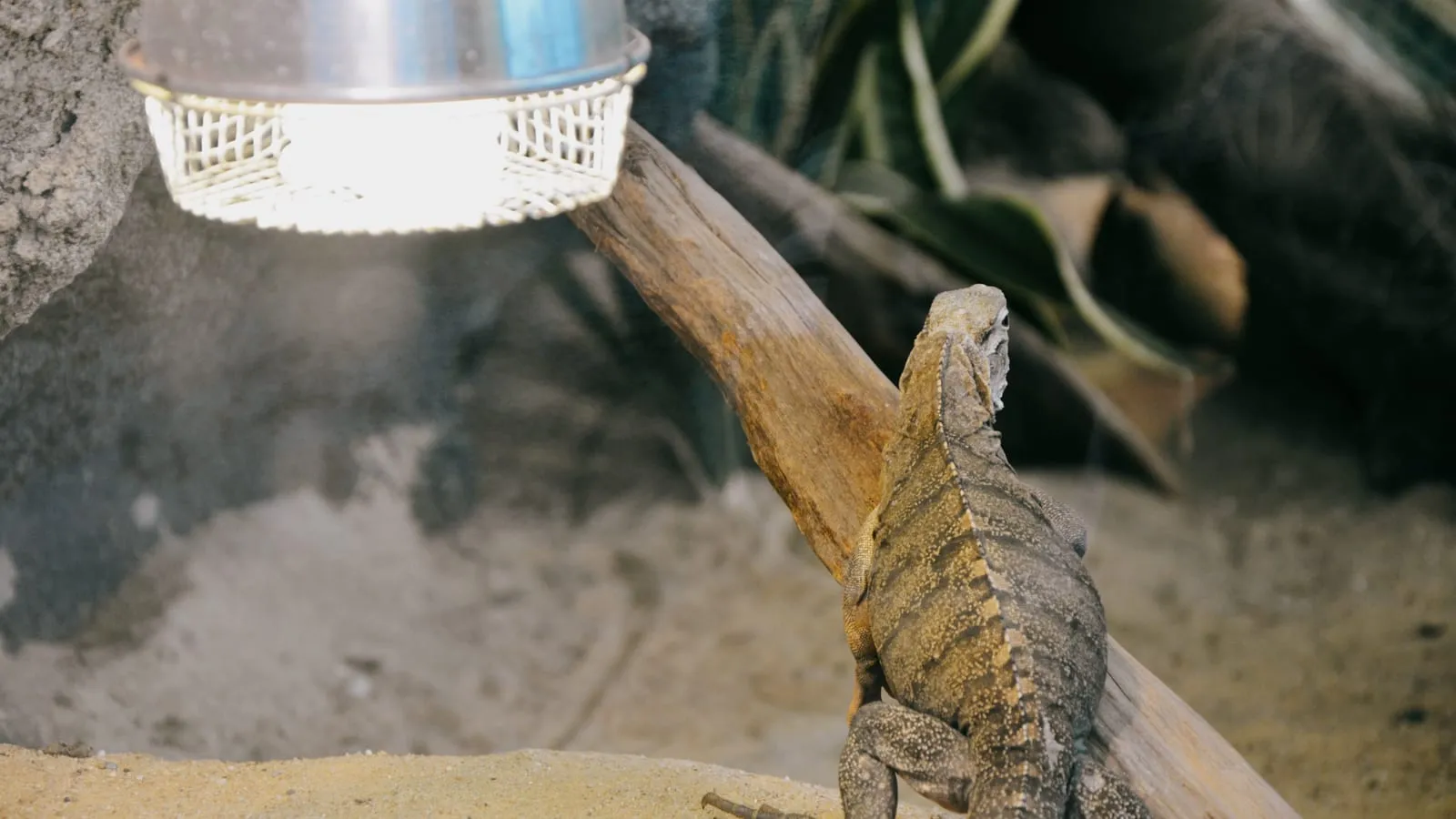
- The annual UVB replacement — the one task almost everyone forgets, set and remembered a year out.
- Supplement rotation, so calcium and multivitamin land on the right days.
- Vet check-ups, including the early bloodwork that catches deficiencies before they show.
You stop holding a mental checklist for the whole collection. The app holds it for you.
See trends, not snapshots
A single weigh-in tells you almost nothing. A line of weigh-ins tells you everything. Every weight you log is plotted on the critter’s charts, so a subtle downward drift becomes a shape you can see rather than a number you’d have to remember. Feedings, sheds and more chart the same way, so a slipping feeding routine or a late shed reads as a pattern instead of a vague sense that something is off.
This is the real difference between an animal surviving and an animal thriving: catching the small change while it is still small.
A dragon that drops a few grams over a month is telling you something. Seen as one number, it is invisible. Seen as a curve, it is obvious — and you have time to act.
Built for real collections
LizardBox manages one animal or a whole rack with the same calm, simple interface. Adding a critter takes a moment; logging a feed takes a tap. There is no spreadsheet to maintain, no template to wrestle, no clever system you have to design yourself before you can record that a snake ate. The structure is already there, and it scales quietly as your collection grows.
Everywhere you keep
Care does not only happen at a desk. LizardBox runs on web, iOS, and Android, fully in sync — so you can log a feeding at the enclosure from your phone, review weight trends on a laptop later, and never wonder which device has the latest record. Whatever you logged is simply there, on whatever you are holding.
Private by design
A keeper’s records are their own. Your logs, your animals, your collection — this is your data, kept for your benefit, not packaged up for anyone else. LizardBox is a tool for you to keep better animals, full stop.
Start with the next feeding
You do not need to reconstruct months of history to begin. Add one critter, log its next meal, and set a single reminder. From there the record builds itself, and within a few weeks you will have something you have never had before: a clear, honest picture of how each animal is actually doing.
Consistency is the whole game, whether you keep reptiles, amphibians or arachnids. LizardBox is how you keep it — free to start, on every device you own.