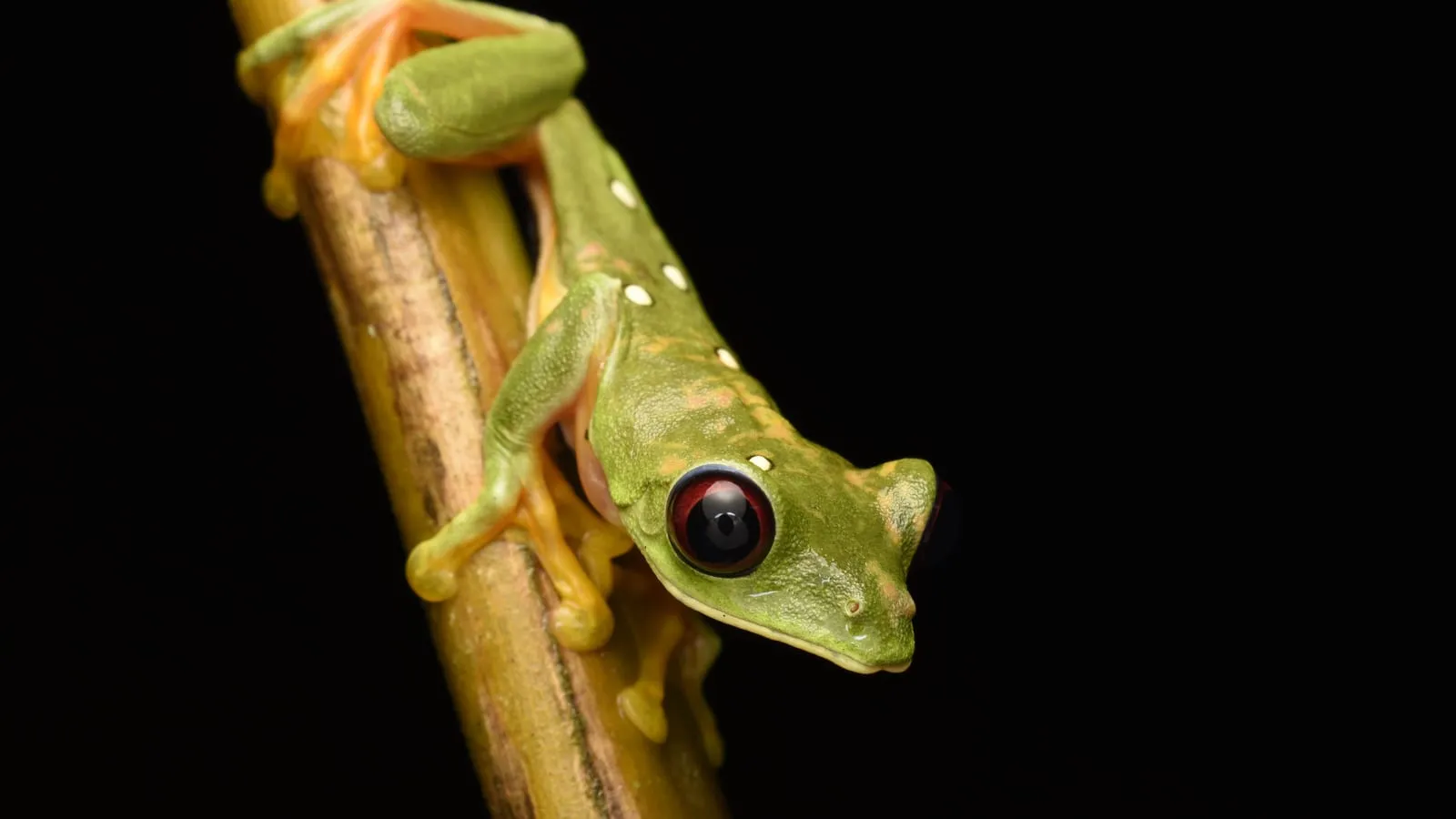
For amphibians, humidity is not a comfort setting — it is respiratory. Frogs, toads, salamanders, and newts breathe partly through their skin, which has to stay moist to absorb oxygen and regulate water and salts. Get humidity wrong and nothing else you do matters; get it right and most of amphibian keeping falls into place behind it.
Why skin is the whole story
Amphibian skin is permeable by design. It pulls in oxygen, releases carbon dioxide, and manages hydration directly through the surface — there’s no fur or scale barrier in between. That same permeability is why they’re so sensitive: a too-dry enclosure suffocates them slowly, and contaminated water or unwashed hands pass straight through. Stable, clean moisture is the foundation of the entire setup.
What the numbers should be
Across the amphibians commonly kept, the usable band runs from about 50% to 90% relative humidity — and where your animal sits inside it is a species question, not a preference. What never changes is that a wetter microclimate — a moss hide, a damp corner, a water feature — should always be available on demand.
- Tropical species (dart frogs, many tree frogs) trend high, often 70–90%.
- Temperate species (many salamanders and toads) sit lower, around 50–70%, and can suffer if kept soaking wet.
Match the range to your specific species, not to “more is better.” A constantly saturated, poorly ventilated enclosure is as dangerous as a dry one — it just kills more slowly, through bacterial and fungal disease.
Measure it properly
A single cheap analog dial stuck to the glass will lie to you — they’re inaccurate and they only read one spot. Instead:
- Use a digital hygrometer with a remote probe placed at the animal’s level, where it actually lives.
- Read at two points — near the water feature and at the drier end — so you’re measuring the gradient, not one corner.
- Check at the same time each day. Humidity swings with the lights, misting, and ventilation, so a consistent reading time tells you far more than a random glance.
Holding a stable range
Stability matters more than hitting an exact number — sudden swings stress amphibians far more than a steady value slightly off target. Build the enclosure so it buffers itself:
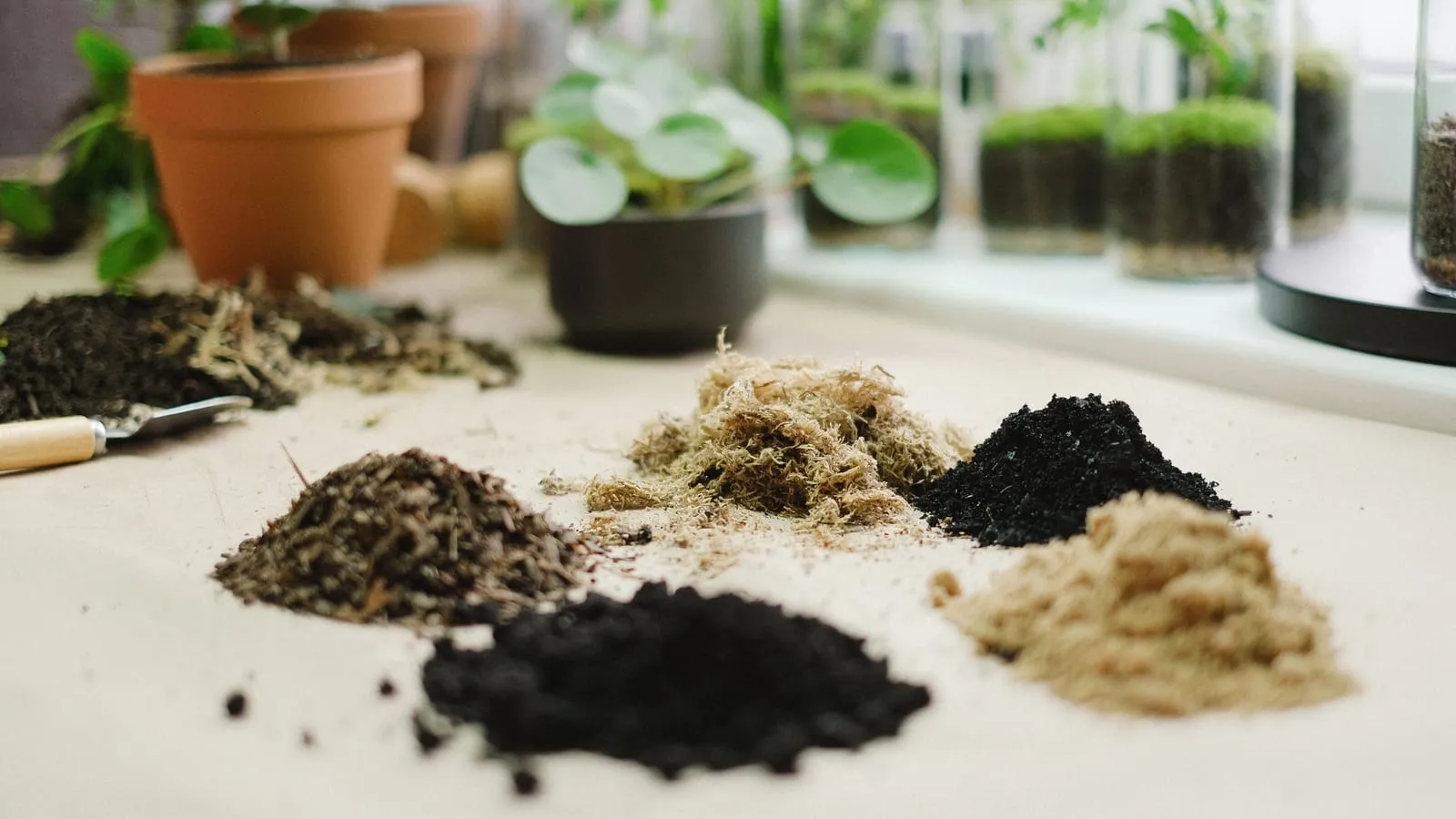
- Moisture-retaining substrate. A deep base of coco fiber, sphagnum moss, or a proper bioactive soil mix holds water and releases it slowly, smoothing out the daily curve.
- Live plants. They transpire constantly, raising and steadying ambient humidity while giving the animal cover.
- A water feature sized to the species — even a large dish adds evaporative humidity.
- Misting, by hand for a simple setup or via an automated fogger or misting system for demanding tropical species and consistent results.
Don’t forget airflow
The most common mistake after “too dry” is “too wet with no air.” High humidity plus stagnant air is exactly the condition mold, bacteria, and fungal infections love. The fix is cross-ventilation — vents that let air move through the enclosure — balanced against your moisture sources. A screen top dries out fast and a fully sealed glass top can go swampy; most keepers land on glass with deliberate vent panels. If you’re building the enclosure yourself, plan that balance in from the start — our guide to building a custom enclosure covers sealing and ventilation together.
A note on hygiene
Because everything crosses amphibian skin, use dechlorinated or spring water for misting and water features, never tap water straight from the faucet, and wash and rinse your hands (or wear clean gloves) before handling anything in the enclosure. Quarantine new arrivals — amphibian diseases spread quietly.
Read the trend, not the moment
A single humidity reading tells you almost nothing; a line of readings tells you whether your setup is genuinely stable or quietly drifting. Log the number in LizardBox at the same time each day and filter that animal’s history down to humidity alone — a week of readings side by side is what exposes a failing misting system or a substrate slowly drying out, long before your animal shows it on its skin.