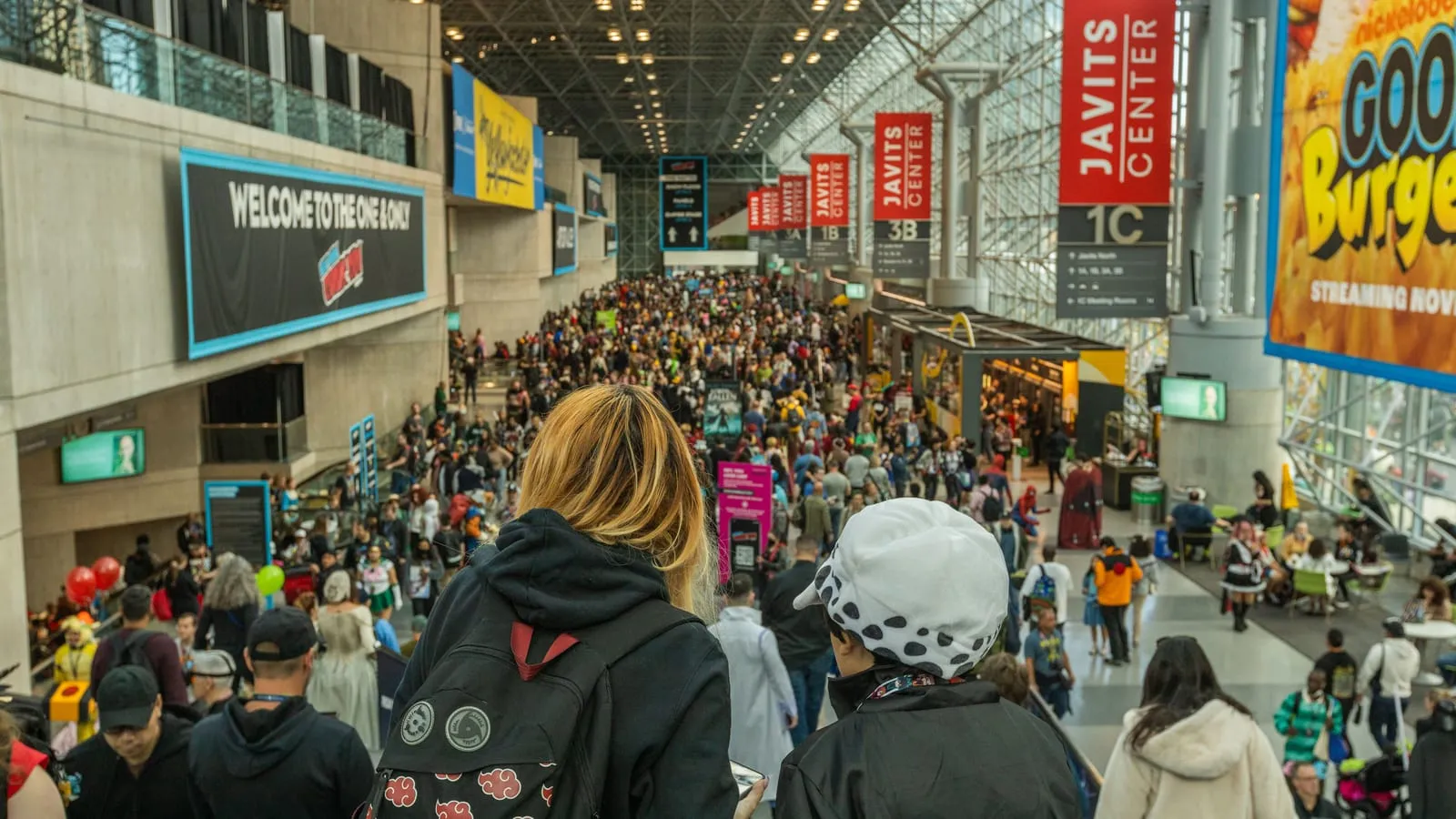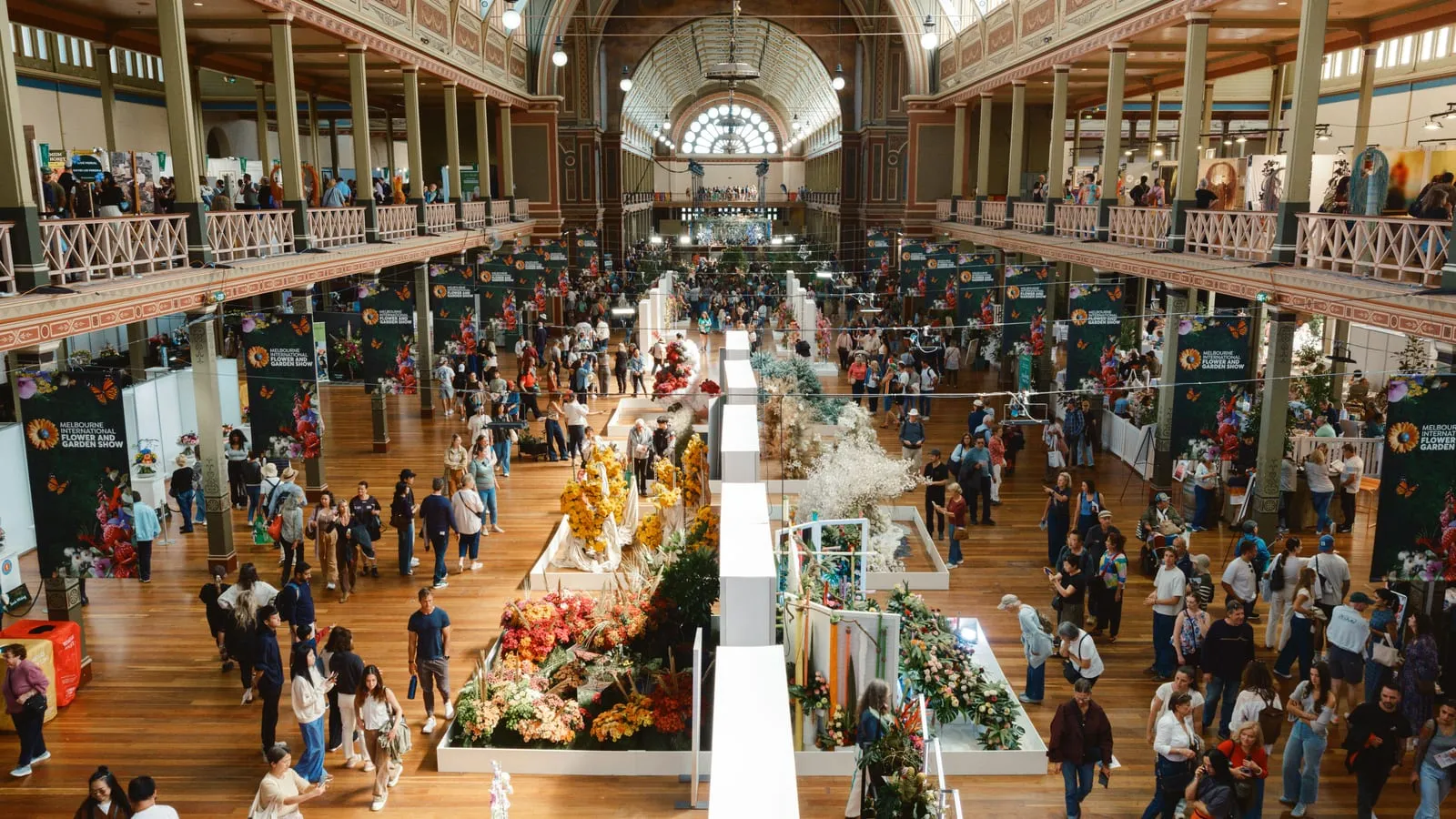
A reptile expo is the single best place to meet the people who actually produce the animals you keep — and the fastest way to bring home a sick critter if you walk in unprepared. The shop tank shows you a handful of common species; an expo hall shows you the whole hobby, from rare morphs to the keepers who have spent decades getting husbandry right. Go with a plan and a sharp eye, and you will leave with a healthy animal and a better network than any online forum can offer.
What an expo actually is
A reptile expo is a one-day (sometimes weekend) gathering of breeders, equipment suppliers, and feeder vendors, usually run by an established herpetological society. For UK keepers, the draw is real:
- Reputable breeders you can look in the eye and question directly — not an anonymous classified ad.
- Species and morphs you will never see in a shop, often produced by hobbyists who specialise in one genus.
- Equipment and feeders at sensible prices: thermostats, UVB tubes, enclosures, and bulk livefood you would otherwise pay postage on.
- Community knowledge — the casual conversations at a stall teach you more than a week of reading.
Well-known UK events
The best-known events are the International Herpetological Society (IHS) Breeders Meetings, now held at the Norbreck Castle Hotel in Blackpool — the longest-running shows of their kind in the country and the ones most keepers travel for. The IHS ran at Doncaster Racecourse for many years, so older guides and forum threads still send people there; check the current calendar rather than trusting a remembered venue. Alongside the IHS sits a year-round calendar of regional breeder shows and society meets, smaller but often friendlier for a first visit, plus specialist events like the British Tarantula Society Exhibition for invertebrate keepers.
Treat these as examples rather than a fixed schedule. Dates and venues change yearly, so always confirm the current details on the IHS site or the organiser’s own website before you book travel.
A note on the UK context
UK reptile shows operate under specific welfare and sales rules and are typically run by long-established societies and organisers rather than casual sellers. That structure is a feature: it filters out the worst of the trade. Even so, standards vary table to table. Buy from sellers who clearly care about animal welfare — clean, uncrowded setups, animals at sensible temperatures, and a breeder who talks about an animal’s needs before its price.
How to do an expo right
This is where a good day separates from a regretted one. Work the floor deliberately.
- Go prepared. Bring cash (many stalls are card-light), secure transport containers or deli cups, and an insulated bag to hold temperature on the journey home. Write a shortlist before you arrive so the hall doesn’t talk you into an impulse buy.
- Vet the animal before you buy. Look for clear, bright eyes, no retained shed or stuck eye caps, and no mites (check between scales, around the eyes, and in the water dish of the deli cup). Confirm good body condition and weight, and that the animal is alert and responsive. Ask about feeding history — what, how often, and when it last ate — and its genetics.
- Ask questions. A good breeder welcomes them and will be honest about an animal’s adult size, dietary needs, and lifespan. Vague answers, or pressure to decide quickly, are a reason to walk away.
- Plan biosecurity before you leave home. Every new arrival goes into quarantine, away from your existing collection, in a simple, easily-cleaned setup where you can observe it for weeks before any introductions.
Always quarantine a new arrival away from your existing collection — one undetected case of mites or illness from an expo can spread through everything you keep.
Etiquette on the floor
Shows run on mutual respect for the animals and the people who brought them:
- Handle animals only with permission — never reach into a tub or pick something up unasked.
- Use hand sanitiser between tables to avoid moving pathogens or mites from one breeder’s stock to another’s.
- Respect the sellers and the animals. Haggle politely if at all, don’t crowd a busy stall, and remember the breeder has spent years on what’s in front of you.
Done well, an expo is the most rewarding day in the hobby calendar — and if you’re reading from across the Atlantic, the same principles apply to the US counterpart, where the shows run bigger but the buyer’s checklist is identical.
Whatever you bring home, the first weeks matter most. Set your new arrival up in LizardBox the moment you’re back: record the date you acquired it, log its weight and the feeding history the breeder gave you, and note who you bought it from. Log the day quarantine starts and set a one-off reminder for the day it ends — so introducing the animal to your collection is a date you decided on, not a feeling that enough time has probably passed. The animal you vetted carefully at the table deserves to be tracked just as carefully once it’s home.